Underground diesel limits are tightening: what are the implications for mine design?
Diesel particulate limits in underground mining are tightening fast, and for many operations, compliance is about to become a much bigger challenge.
From 1 December 2026, new Workplace Exposure Limits will come into effect across Australia. As outlined by Safe Work Australia in its Changes to Workplace Exposure Limits (May 2025) document, duty holders must ensure that “no person in the workplace is exposed to an airborne contaminant at a concentration exceeding the workplace exposure limit”.
This includes a significant update for diesel particulate matter, which will be limited to 0.01 mg/m³ as respirable elemental carbon over an eight-hour time-weighted average, as specified by Safe Work Australia.
“This is not a marginal adjustment,” said MMS WHSQ Manager Mark Chatfield. “It represents a shift in how exposure is defined and enforced.”
In WA, the industry is not starting from scratch. A diesel particulate limit is already in place across WA mining operations, meaning many sites are already working within defined exposure thresholds. The national Workplace Exposure Limits build on this, but with a significantly lower allowable level, particularly for underground environments where diesel equipment density is high, and airflow is constrained.
The changes formalise what has been building for some time. The update reflects a review undertaken to ensure exposure limits are “based on contemporary health evidence and provide the best protection for workers,” reinforcing the direction of travel for the industry.
Diesel-powered equipment remains essential underground, providing the power and flexibility required in complex conditions. At the same time, it introduces airborne contaminants that must now be managed within clearly defined limits, including across an eight-hour working day and, where relevant, shorter exposure periods such as peak or short-term limits outlined by Safe Work Australia.
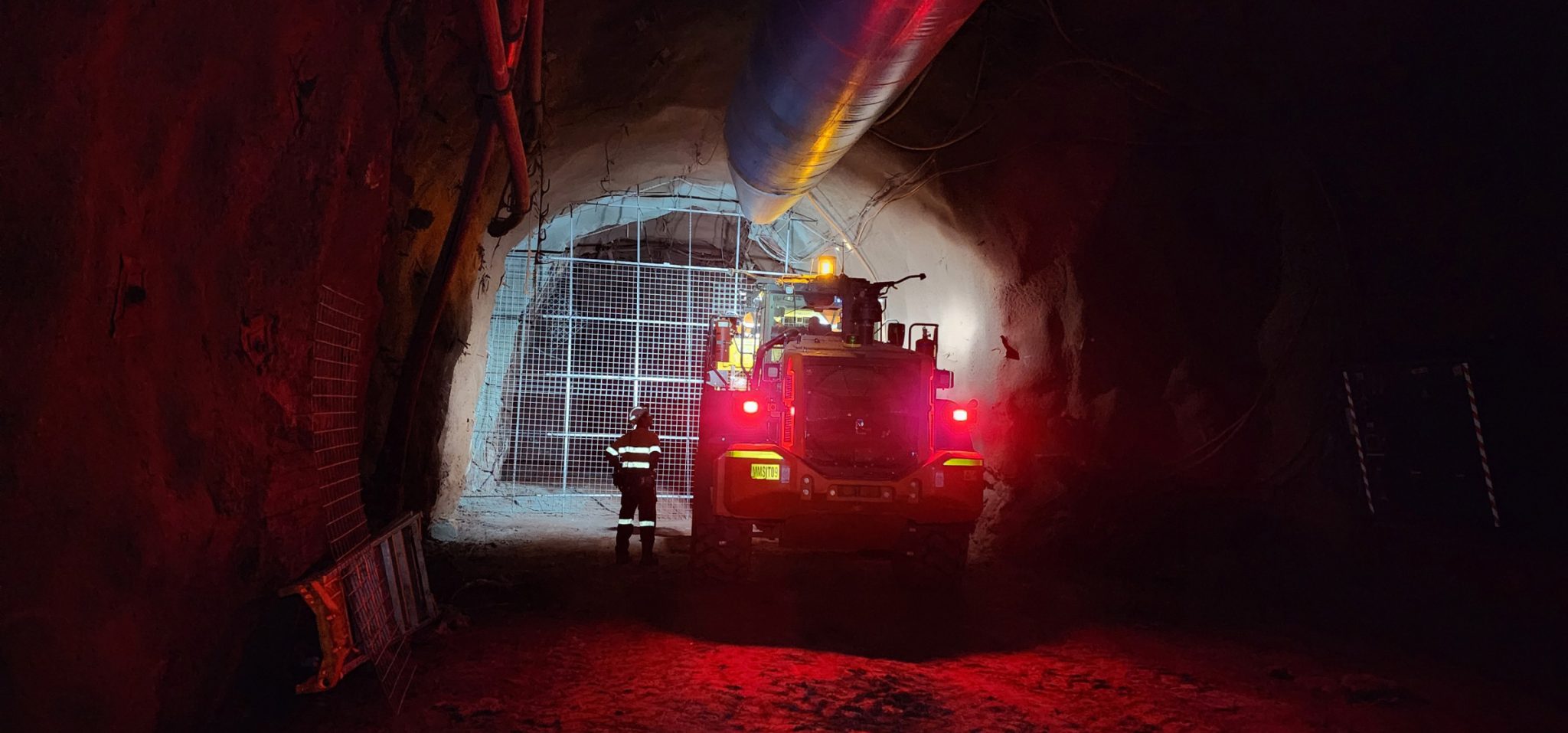
“This puts infrastructure at the centre of the response,” said Mark. “Ventilation has always been fundamental to underground mining, but under the new Workplace Exposure Limits, it must do more than move air. It must consistently maintain contaminant concentrations below defined thresholds. That requires a more deliberate approach to airflow design, distribution and control.”
At the same time, ventilation remains one of the largest energy demands underground. Increasing airflow to meet stricter limits needs to be balanced with operational efficiency and cost.
“From our perspective as a WA-based provider, the solution starts well before installation. It starts in the workshop,” said Mark.
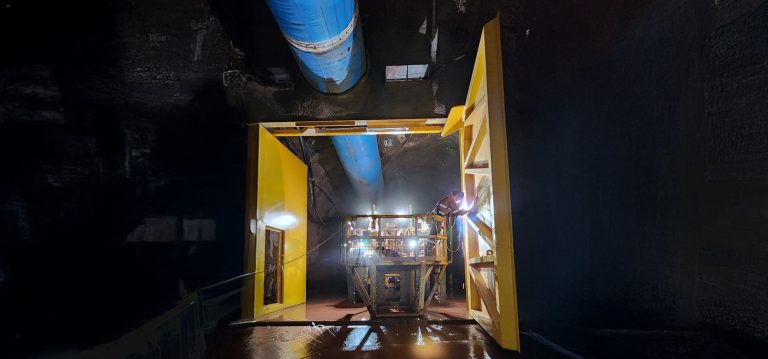
“Delivering modular ventilation infrastructure, precision-fabricated ducting and fit-for-purpose components allows our clients to design systems that meet these requirements from day one. Local fabrication supports shorter lead times, greater quality control and reduced risk once equipment is deployed underground.”
The update also highlights the scale of change beyond diesel particulate matter. The revised Workplace Exposure Limits include new entries, reduced limits and updated classifications across a wide range of airborne contaminants.
“Designing underground operations without fully accounting for these changes creates risk,” said Mark. “And retrofitting systems to meet tighter limits is significantly more complex and costly than designing for compliance from the outset.”
At the same time, underground environments are evolving. Diesel-electric and battery-electric equipment is starting to change how fleets are configured. While this will reduce emissions over time, most operations will continue to run mixed fleets in the near term.
“This creates a more complex ventilation profile. Airflow requirements will vary across the mine, and systems need to be flexible enough to respond to changing conditions,” said Mark. “In this environment, compliance is not a one-off upgrade. It is an ongoing process that needs to be built into the design and supported by reliable infrastructure.”
For MMS, the focus is on delivering practical, workshop-built solutions that support that outcome. Whether it is ventilation ducting, structural components or specialised fabrication, the aim is to help underground operations meet tightening exposure limits without slowing down development or production.