While seismic events of this scale are uncommon, the way the situation was managed provides an important reminder for underground mining companies around the role of emergency readiness and infrastructure.
Public reporting confirmed that all underground personnel were safely accounted for and progressively returned to the surface, with no injuries recorded.
At the time, Newmont stated that “Safety procedures functioned effectively, and all underground personnel were accounted for and progressively returned above ground. There have been no reported injuries. The safety and wellbeing of our people remains our highest priority.”
For underground operations, this incident highlights a reality that is often discussed but rarely tested. Not all emergency scenarios are predictable, but outcomes depend heavily on preparation and the performance of systems once conditions change. Underground environments allow little margin for error, particularly when visibility is reduced, stress levels are elevated, and decisions need to be made quickly.
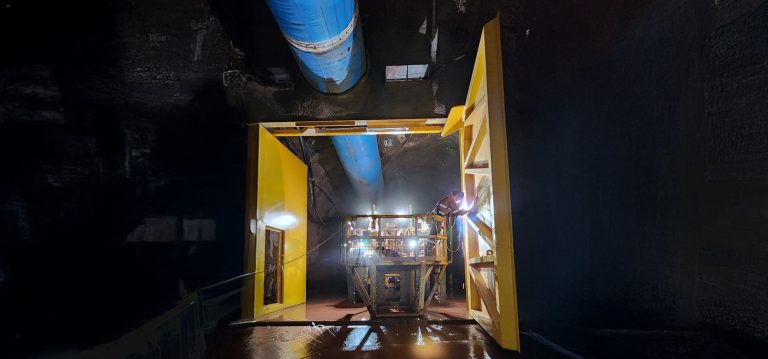
“Emergency response underground is not defined solely by plans and training – physical infrastructure plays a critical role,” said MMS Managing Director Chris Piggott. “Escapeways, access routes, ventilation doors and underground layouts must function reliably when conditions are less than ideal. These systems are rarely noticed when they perform as designed, but they become the difference between control and uncertainty when unexpected events occur.”
The Cadia evacuation reinforces the need to treat underground safety infrastructure as operational systems rather than compliance items. Doors must operate under pressure, and escapeways must account for how people move through the mine in real conditions. As underground mines continue to increase in depth and complexity, the importance of robust, fit‑for‑purpose safety infrastructure continues to grow.